



-
Öksüz Addresses International Trade Union Summit in India: Emphasis on Global Transformation, Labour and a Just Future
-
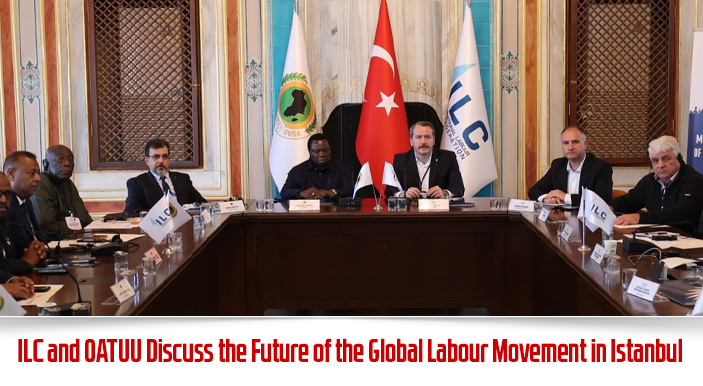
ILC and OATUU Discuss the Future of the Global Labour Movement in Istanbul
-
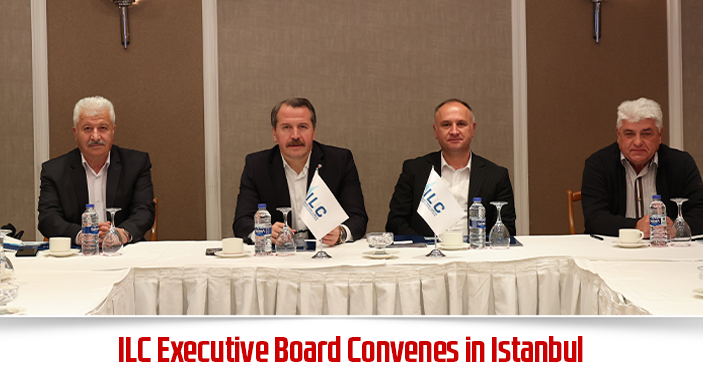
ILC Executive Board Convenes in Istanbul
-
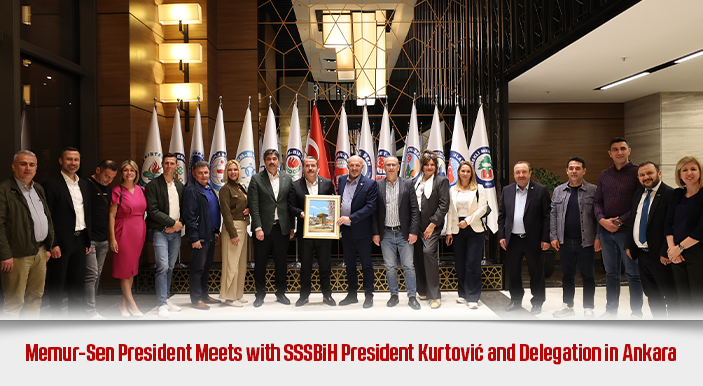
Memur-Sen President Meets with SSSBiH President Kurtović and Delegation in Ankara
-
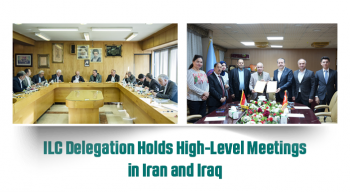
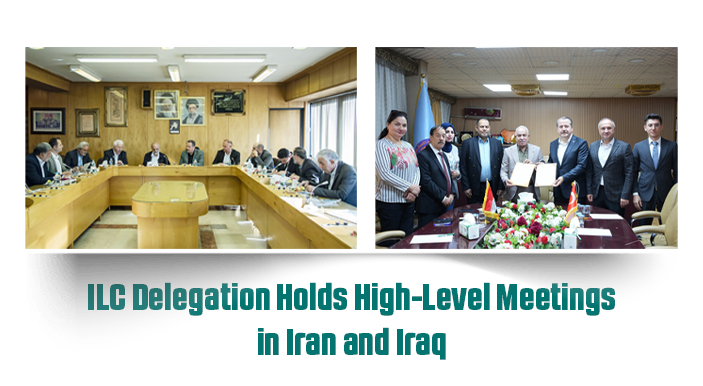
ILC Delegation Holds High-Level Meetings in Iran and Iraq
-
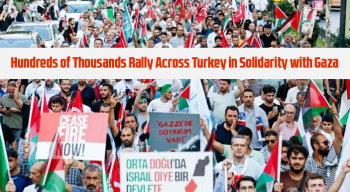
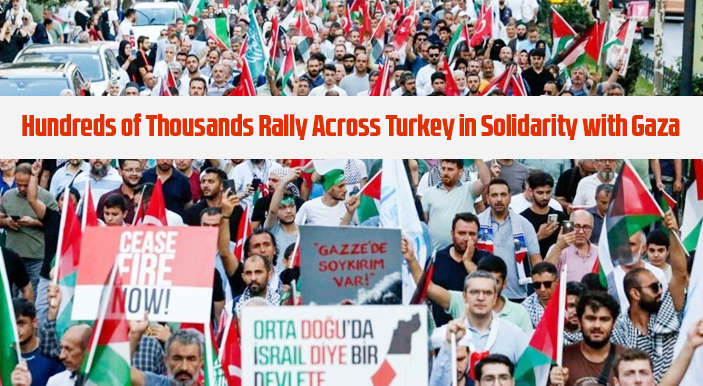
Hundreds of Thousands Rally Across Turkey in Solidarity with Gaza
-
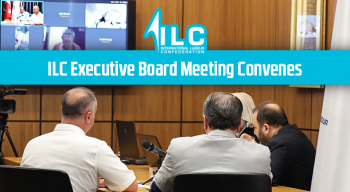
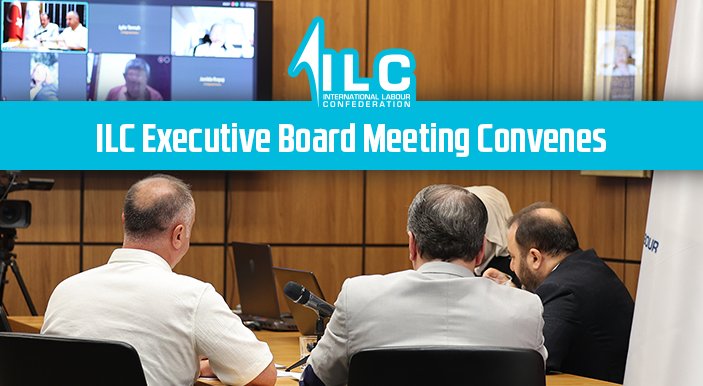
ILC Executive Board Meeting Convenes
-
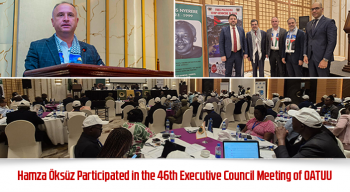
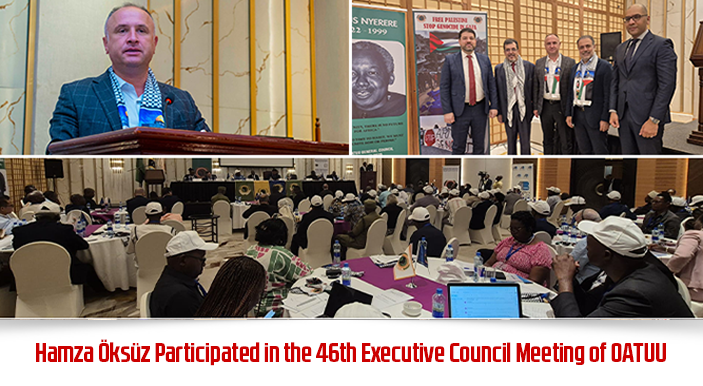
Hamza Öksüz Participated in the 46th Executive Council Meeting of OATUU
NEWS
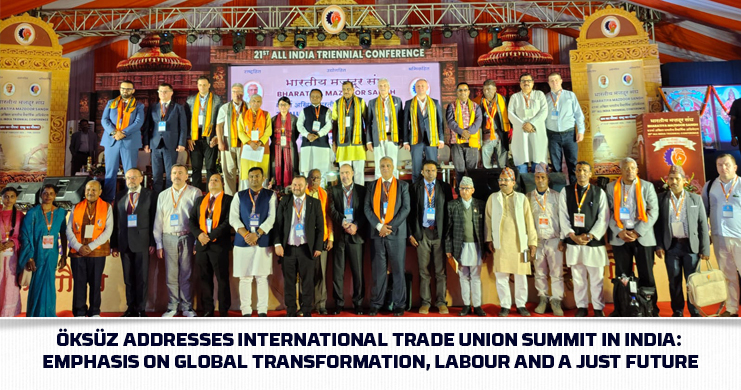
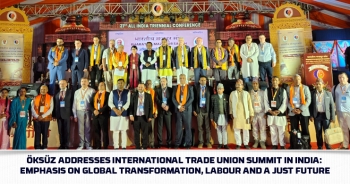
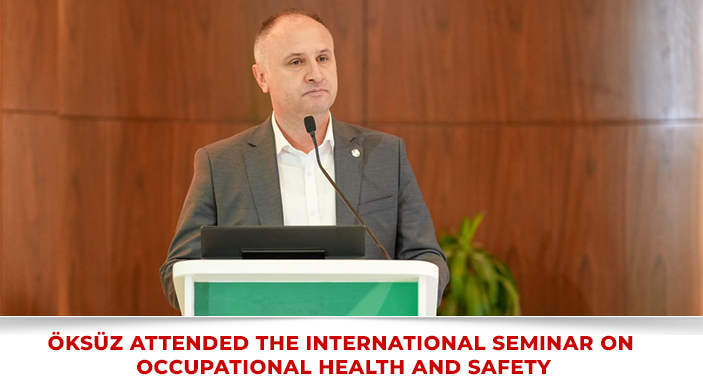
Öksüz Addresses International Trade Union Summit in India: Emphasis on Global Transformation, Labour and a Just Future
09.02.26, Monday
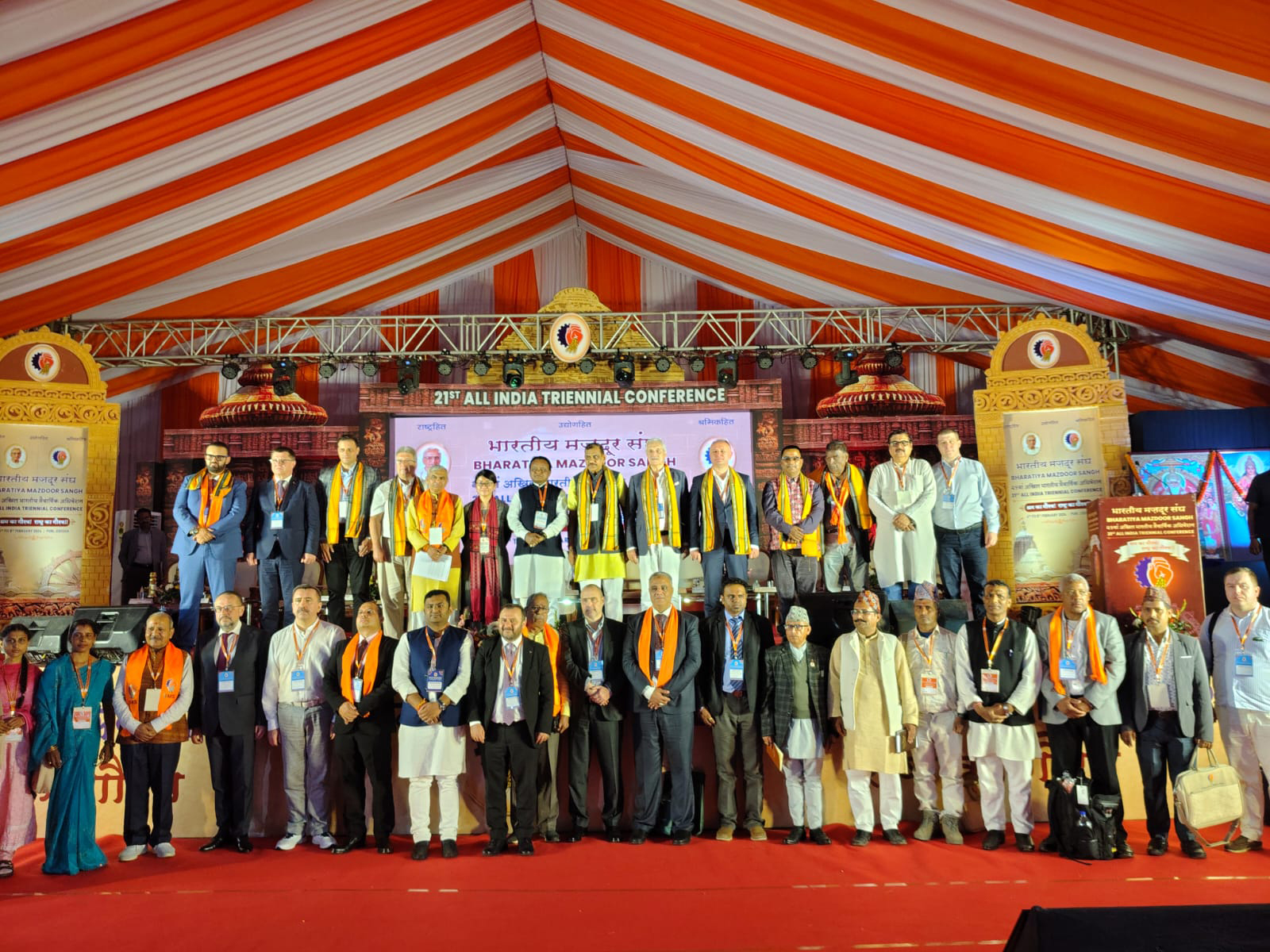
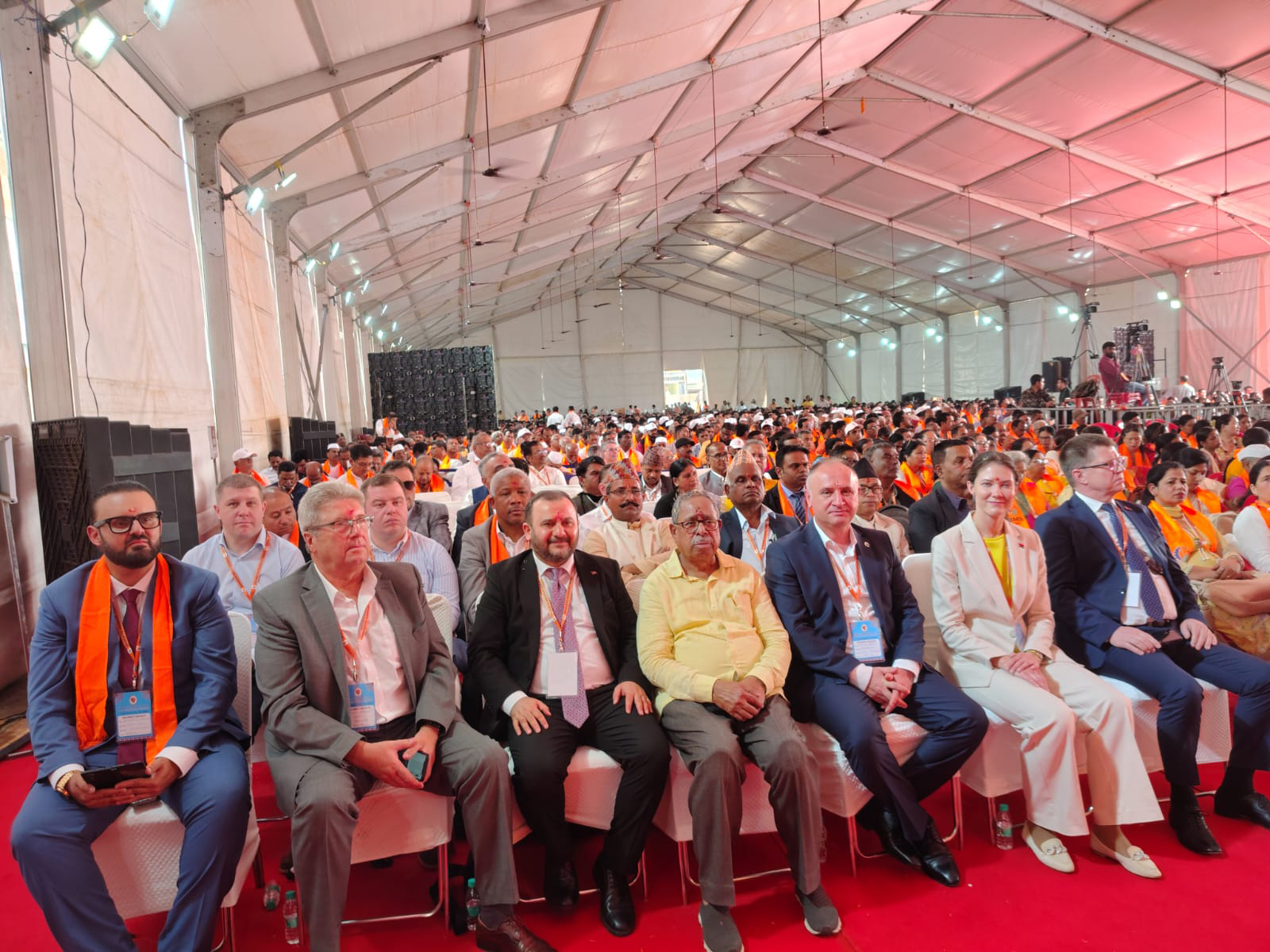
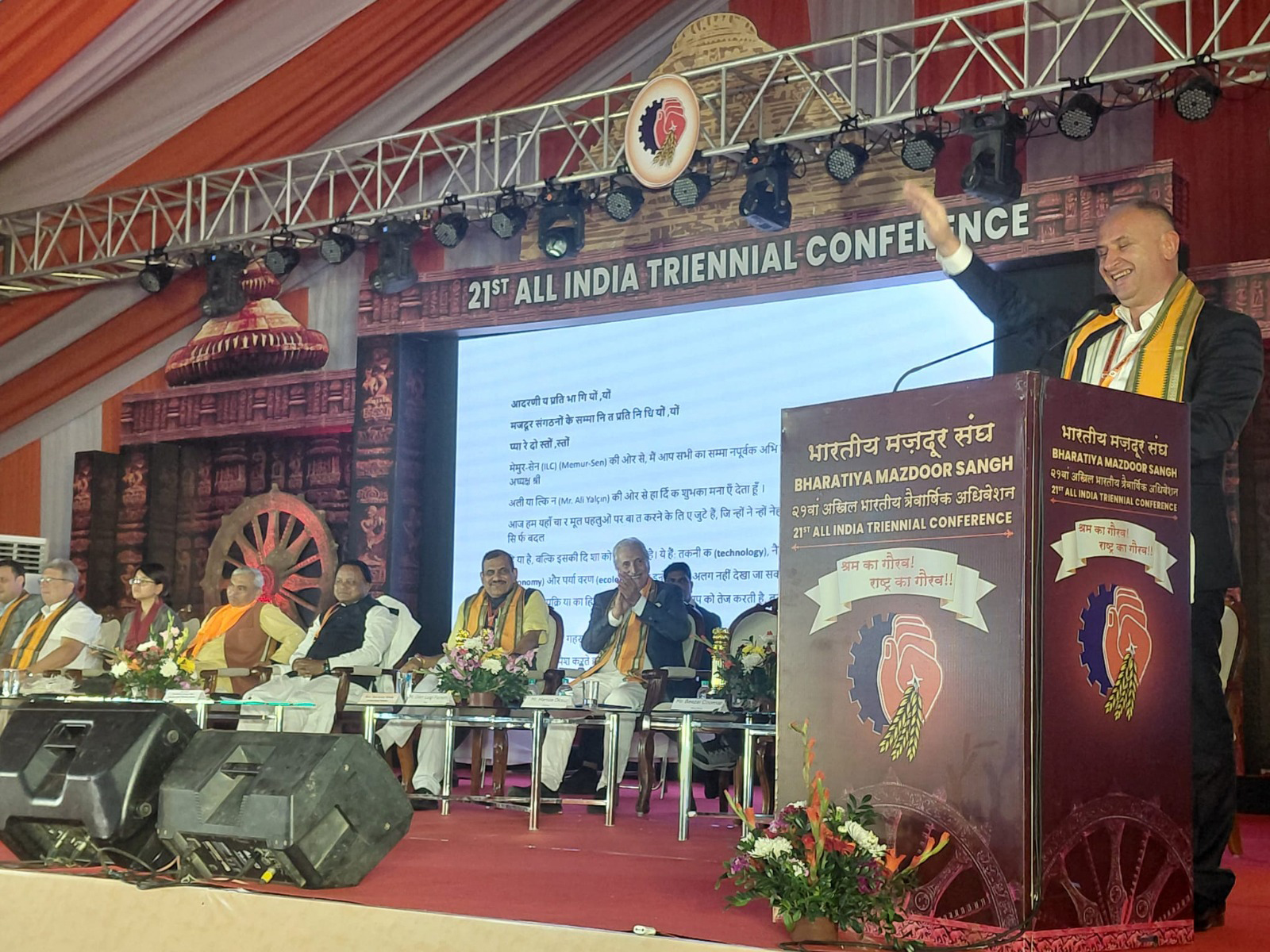
The 21st Ordinary Triennial General Conference organised by Bharatiya Mazdoor Sangh (BMS) — India’s largest central trade union organisation representing approximately 17 million members — brought together key actors of the international trade union movement. Representing Memur-Sen, Vice President and Secretary General of the International Labour Confederation (ILC), Hamza Öksüz, participated in the programme.
The conference was attended by Yuki Otsuji, Director of the International Labour Organization (ILO) Delhi Office; Dr. Mansukh Mandaviya, India’s Minister of Labour; Mohan Charan Majhi, Chief Minister of Odisha; as well as trade union representatives from Italy, Russia, Brazil, Nepal, Mauritius, Belarus, and Egypt.
During the conference sessions and bilateral engagements, participants addressed global labour markets, digitalisation, the transformation of working life, and the future of the trade union movement. A BRICS meeting was also held within the framework of the conference.
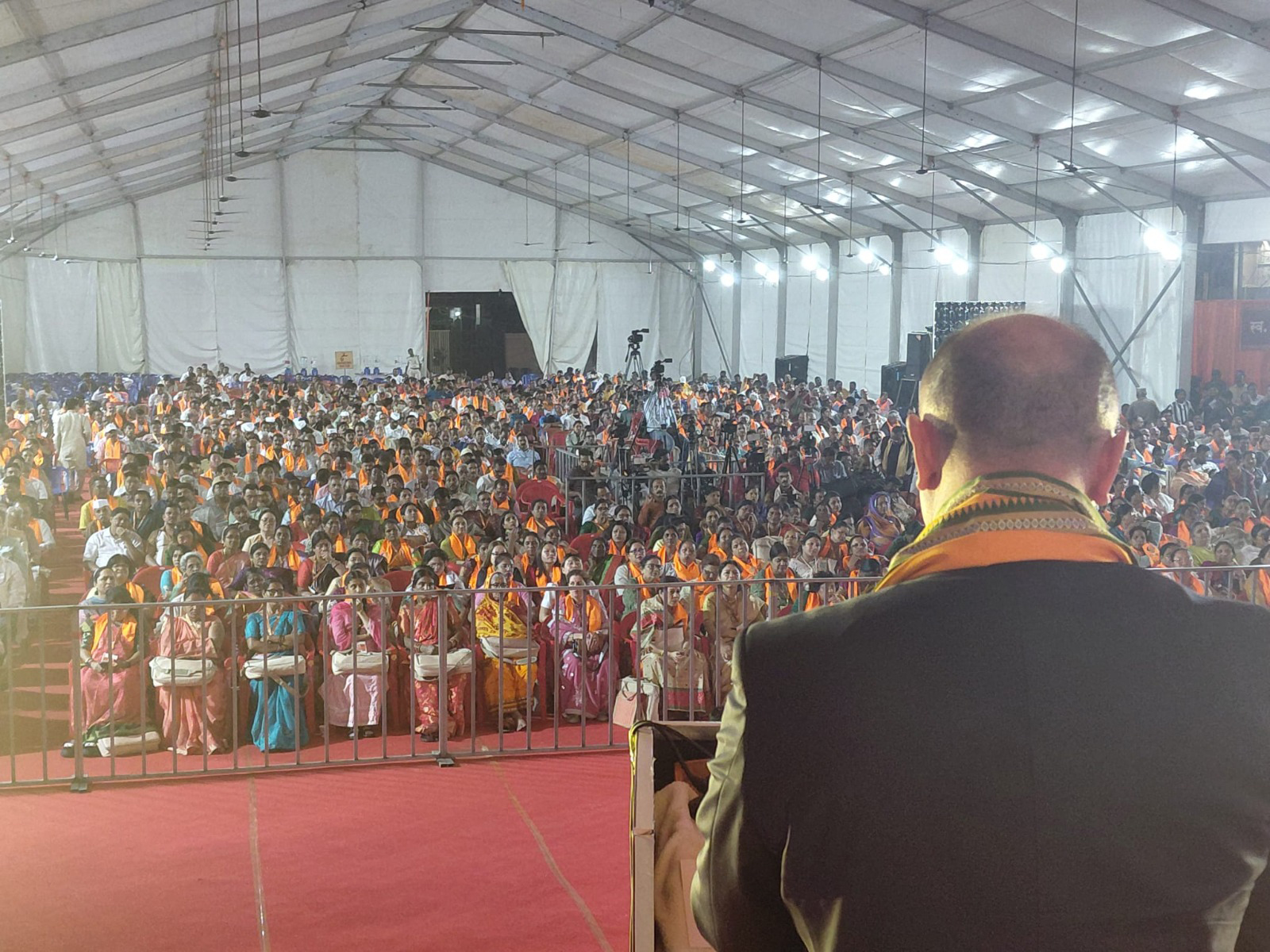
In his speech, Öksüz evaluated the impacts of technological, ethical, economic and ecological transformation on the world of work and emphasised the importance of international trade union solidarity.
“Trade Unions Must Be at the Centre of Transformation”
In his keynote address titled “Technology, Ethics, Economy and Ecological Transformation: Impacts on the World of Work and the Role of Trade Unions,” Öksüz highlighted four core dynamics simultaneously reshaping working life:
“Today, technology, ethics, economy and ecology are no longer separate policy domains; they are interconnected components of a single process transforming the world of work.”
“Technology Is Not Neutral”
Although technological change is often presented as inevitable progress, Öksüz stressed that it is not neutral. He noted that artificial intelligence, algorithmic management and digital platforms are fundamentally reshaping labour relations.
“Technology is meaningful only insofar as it serves people and labour. How it is used and whose interests it serves are determined by political and institutional choices.”
He warned that digitalisation may lead to blurred working hours, algorithmic performance monitoring, and weakened job security, underlining that trade unions must occupy a central role in guiding this transformation.
Ethics in the Digital Age: Humans Are Not a Cost, but the Subject of the System
In the second part of his speech, Öksüz addressed ethical challenges, highlighting data use, algorithmic transparency, and the protection of human dignity as core issues in contemporary working life.
“Human beings are not the cost of the system; they are its central subject.”
He emphasised that Memur-Sen advocates a human-centred approach to digital transformation, prioritising decent work, employee participation, transparency, and accountability.
Economic Transformation: Growth Without Security
Assessing global economic changes, Öksüz noted that economic growth has not generated equivalent security for workers. He pointed to rising income inequality, increasing precarious employment, and the weakening of welfare state mechanisms.
“A sustainable economy is not possible without strong trade unions.”
Ecological Crisis and the Need for a “Just Transition”
Öksüz stressed that the climate crisis is no longer a future concern but a present reality. Extreme heat and environmental disasters, he noted, directly affect occupational health and safety. He emphasised that green transformation must be fair for workers.
“Green transformation must be a just transition that leaves no one behind.”
Call for International Trade Union Solidarity
Concluding his remarks, Öksüz referred to the broader global political context, emphasising that international trade union solidarity has become a historical necessity at a time when the rule of law and rules-based international order are increasingly under strain. He argued that trade unions should not merely defend rights but also act as founding actors shaping the future.
“International trade union solidarity is no longer a choice; it is a historical necessity.”
Within the framework of the conference, the Memur-Sen delegation held meetings with international trade union representatives — including BMS President Hiranmay Pandyaji — and exchanged views on the global labour agenda.
ILC and OATUU Discuss the Future of the Global Labour Movement in Istanbul
ILC Executive Board Convenes in Istanbul
ILC Delegation Holds High-Level Meetings in Iran and Iraq
Hundreds of Thousands Rally Across Turkey in Solidarity with Gaza
ILC Executive Board Meeting Convenes
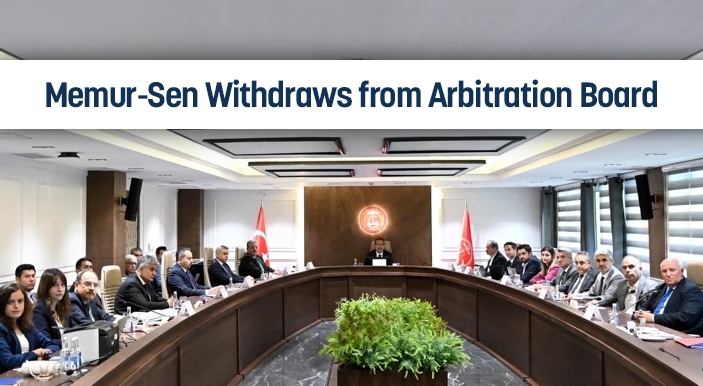
Memur-Sen Withdraws from Arbitration Board

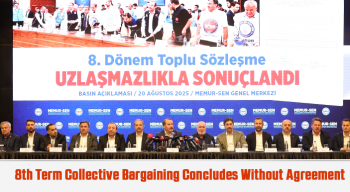
8th Term Collective Bargaining Concludes Without Agreement

 CONFEDERATION OF PUBLIC SERVANTS TRADE UNIONS